


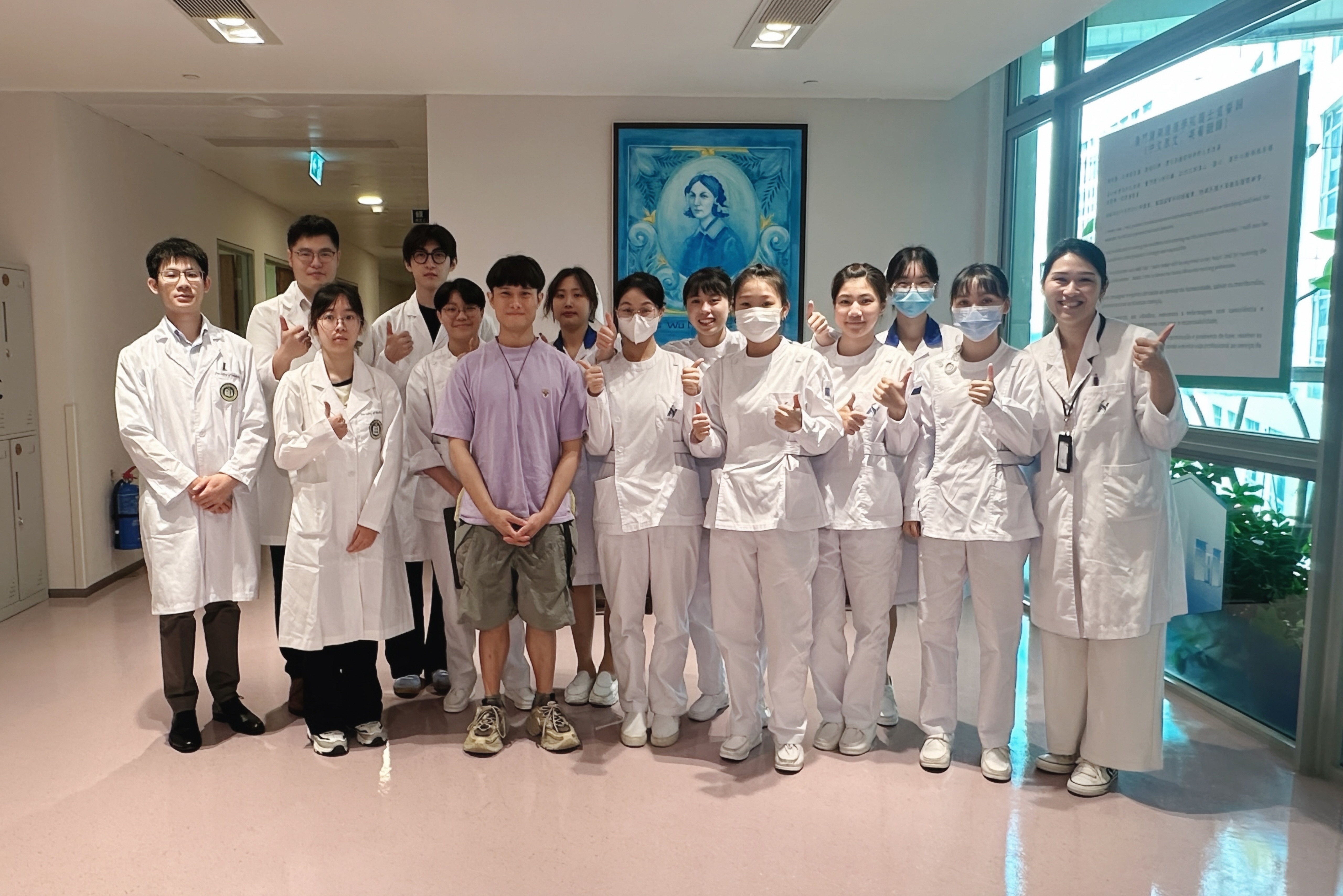
▲Joint Teacher-Student Interprofessional Learning Programme for Faculty and Students
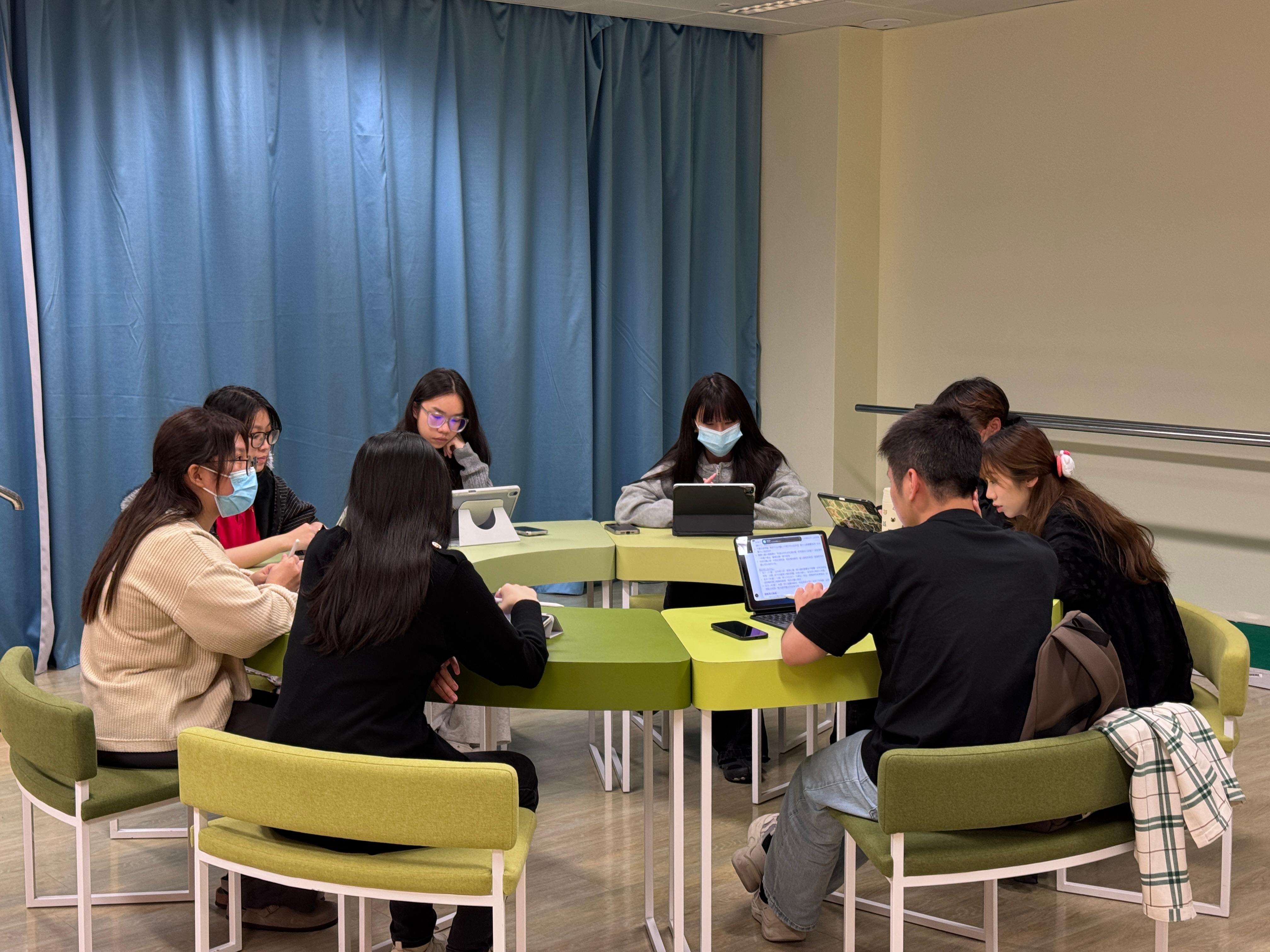
▲Discussion among nursing and social work students focusing on hospital and community older adult care scenarios
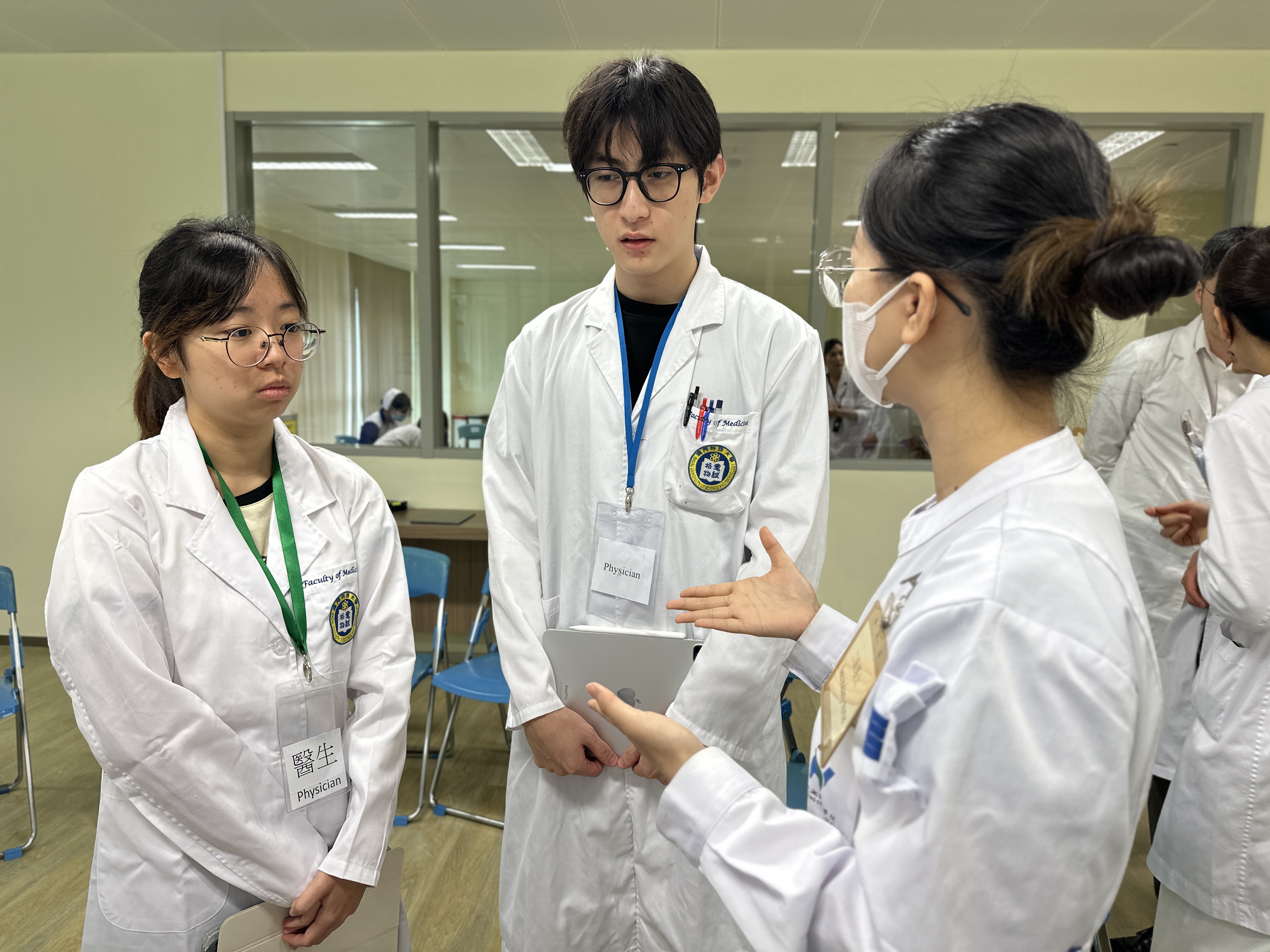
▲Exchange and discussion among medical and nursing students


From March to April 2026, the Kiang Wu Nursing College of Macau (KWNC) jointly organized the “Joint Teacher-Student Interprofessional Learning Programme” with the Faculty of Medicine at the Macau University of Science and Technology and the Faculty of Health Sciences at the University of Saint Joseph. The event was held at the nursing laboratories and the Life Journey Experience Pavilion of KWNC and was supported by the Education Fund of the Macao SAR Government. The programme attracted a total of 359 students from the departments of medicine, nursing, and social work across the three institutions. Centred on inter-institutional and interprofessional collaboration, the training programme utilized high-fidelity simulation-based teaching to foster communication and cooperation among students from different professional backgrounds. It aimed to enhance their professional knowledge, communication skills, and clinical judgment and decision-making abilities, thereby further deepening the concept of patient-centered integrated care.
This year’s training covered two major areas: “Medicine and Nursing” and “Social Work and Nursing,” guiding students to practice interprofessional collaboration in challenging care scenarios. In the “Medicine and Nursing” segment, training focused on communication skills with family members when facing patient death or poor prognosis following emergency care, emphasizing the development of students’ empathy and clarity of expression when delivering bad news. The “Social Work and Nursing” segment, centered on hospital and community care settings, guided students in comprehensively assessing the needs of the older adult and their families from physiological, psychological, social, and ethical perspectives. Students collaborated to develop care plans that balanced patient dignity with the family’s practical circumstances, addressing issues such as disease disclosure, caregiver stress, resource utilization, and decision-making communication. Through simulation exercises and systematic reflection, students experience the complementary nature of different professional roles and gain a deeper understanding of the vital value of interprofessional collaboration in enhancing the quality of care and humanistic compassion.
This year’s training covered two major areas: “Medicine and Nursing” and “Social Work and Nursing,” guiding students to practice interprofessional collaboration in challenging care scenarios. In the “Medicine and Nursing” segment, training focused on communication skills with family members when facing patient death or poor prognosis following emergency care, emphasizing the development of students’ empathy and clarity of expression when delivering bad news. The “Social Work and Nursing” segment, centered on hospital and community care settings, guided students in comprehensively assessing the needs of the older adult and their families from physiological, psychological, social, and ethical perspectives. Students collaborated to develop care plans that balanced patient dignity with the family’s practical circumstances, addressing issues such as disease disclosure, caregiver stress, resource utilization, and decision-making communication. Through simulation exercises and systematic reflection, students experience the complementary nature of different professional roles and gain a deeper understanding of the vital value of interprofessional collaboration in enhancing the quality of care and humanistic compassion.

Strive for Competence and Integrity
Serve with Professionality and Care
Contact Us

 Tel: (853) 8295 6200
 Fax: (853) 2836 5204
 Email: admin@kwnc.edu.mo
Complexo de Cuidados de Saúde das Ilhas
Edifício do Instituto de Enfermagem Kiang Wu de Macau, Avenida do Hospital das Ilhas no.447, Coloane, RAEM
Permanent Campus
Est. Repouso No. 35, R/C, Macau


官網instagram


掃描二維碼關注官方微信
Institutional Accreditation (IA) &Nursing Education Accreditation
 |
 |
 |
| The Quality Assurance Agency for Higher Education (QAA): Institutional Accreditation |
The Motherland's Education Quality Evaluation Agency of the Ministry of Education:
Nursing Education Accreditation |
Course provider of Alzheimer's Disease International (ADI) |
Copyright © 2024 KIANG WU NURSING COLLEGE OF MACAU
