


Focus Issues
乳腺癌患者癌症復發恐懼體驗質性研究的整合分析
The Experience of Fear of Cancer Recurrence in Breast Cancer Patients: A Meta-Synthesis of Qualitative Studies
【摘要】
⽬的:整合分析乳腺癌患者癌症復發恐懼(Fear of cancer recurrence, FCR)的⼼理體驗,旨為醫護⼈員在為乳腺癌患者提供相應的護理⼲預及緩解 FCR 提供依據和參考。⽅法:檢索 Cochrane Library、PubMed、Embase、Web of Science、Scopus、CINAHL、ProQuest、SinoMed、萬⽅資料庫、CNKI 和維普資料庫中關於乳腺癌患者 FCR 體驗的質性研究和混合性研究,檢索時限為建庫至 2025年 5 ⽉。採⽤ Joanna Briggs Institute(JBI)循證衛⽣保健中⼼質性研究評價⼯具評價⽂獻,採⽤彙集性整合⽅法分析。結果:共納入 9篇⽂獻,提取 4 個主題類屬:1. FCR 表現多樣化(復發恐懼引發多重負性情緒、症狀負擔及對⽣活的影響、錯誤認知和過度醫療檢查⾏為)︔2. FCR 的觸發機制複雜(醫療檢查的創傷性關聯、周圍⼈的態度及情緒、⾃身形象和軀體反應、⾃身疾病特點與遺傳易感性)︔3.應對策略差異性(避開引起 FCR 的各種壓⼒源、⾃我⼼理調適、⽣活新常態化的探索)︔4. 未得到滿⾜的需求。結論:本研究整合分析了乳腺癌患者 FCR 的體驗、感受和應對策略,為醫護⼈員制定⼲預措施提供了參考。
【關鍵詞】
乳腺癌;復發恐懼;質性研究;整合分析
Abstract:
Objective: Systematically evaluate the experience of fear of cancer recurrence (FCR) in breast cancer patients to provide a basis and reference for medical staff in delivering appropriate nursing interventions, thereby alleviating patients’ psychological distress related to FCR. Methods: The Cochrane Library, PubMed, Embase, Web of Science, Scopus, CINAHL, ProQuest, SinoMed, Wan fang Data, CNKI, and VIP data were systematically searched for qualitative and mixed studies on the fear of cancer recurrence in breast cancer patients from inception to May 2025. The results were evaluated by using the Australian Quality Assessment Criteria for JBI Evidence-Based Health Care Center and the pooled integration approach to integrate the results. Results: A total of 9 studies were included, synthesized into 4 final integrated theme categories were: 1. FCR shows diversity, (the growth of negative emotions, the burden of symptoms and their impact on life, the occurrence of irrational cognition, misconceptions and excessive medical testing behaviour); 2. Complexity of the FCR triggering mechanism (traumatic associations of medical examinations, attitudes and emotions of people around them, self-image and physical reactions, characteristics of one's own diseases, or genetic predisposition); 3. Differences in coping strategies (avoiding various stressors that cause FCR, self-psychological adjustment, and the exploration of a new normal of life); 4. Unmet needs. Conclusion: This study integrated the experience, feelings and coping strategies of breast cancer patients with FCR, providing a basis and reference for medical staff to develop relevant interventions.
Keywords:
breast cancer; fear of recurrence; qualitative research; meta-synthesis
Download:
PDF
Reference:
周佳、吳⽂穎、張六⼀、王思琛(2025)。乳腺癌患者癌症復發恐懼體驗質性研究的整合分析。澳門護理雜誌,24(1),115-128。https://doi.org/10.6729/MJN.202511_24(1).007
Zhou, J., Wu, W., Zhang, L., & Wang, S. (2025). The experience of fear of cancer recurrence in breast aancer patients: a meta-synthesis of qualitative studies. Macau Journal of Nursing, 24(1), 115-128. https://doi.org/10.6729/MJN.202511_24(1).007
Strive for Competence and Integrity
Serve with Professionality and Care
Contact Us



 Tel: (853) 8295 6200
 Fax: (853) 2836 5204
 Email: admin@kwnc.edu.mo
Complexo de Cuidados de Saúde das Ilhas
Edifício do Instituto de Enfermagem Kiang Wu de Macau, Avenida do Hospital das Ilhas no.447, Coloane, RAEM
Permanent Campus
Est. Repouso No. 35, R/C, Macau



官網instagram


掃描二維碼關注官方微信
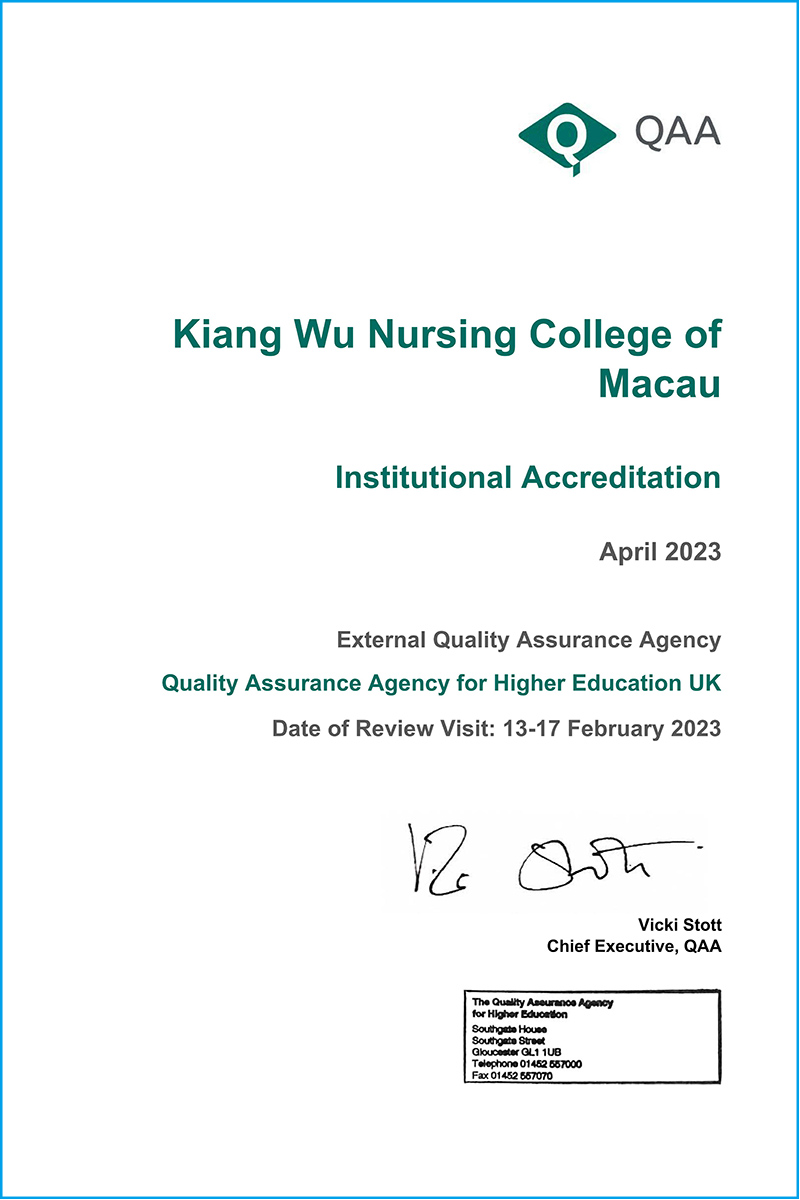
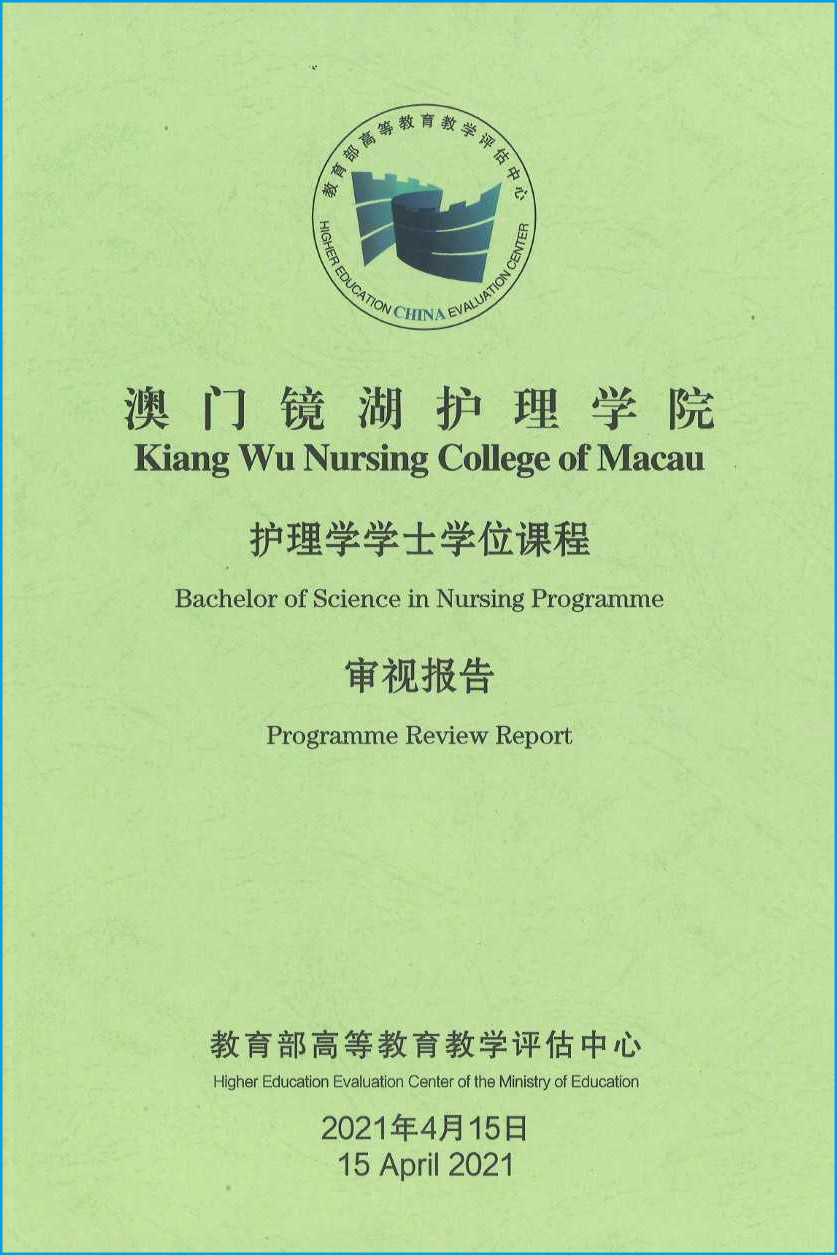
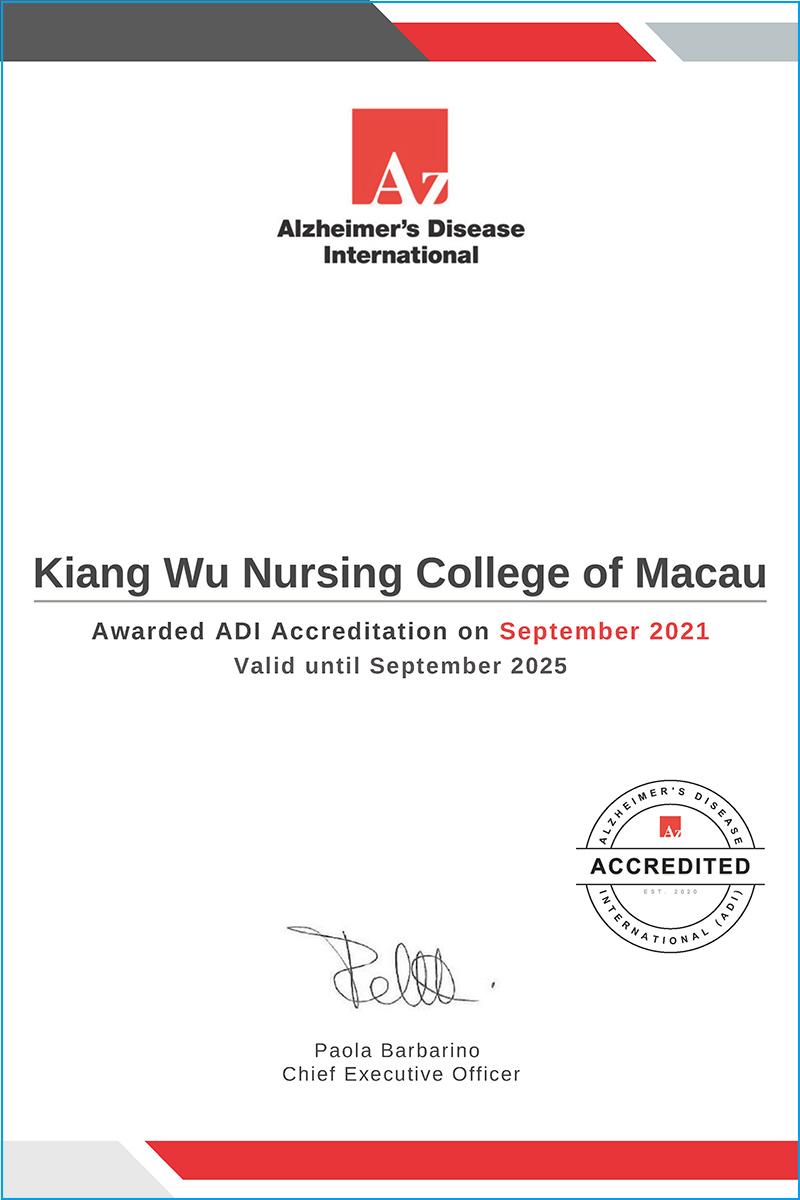
Institutional Accreditation (IA) &Nursing Education Accreditation
 |
 |
 |
| The Quality Assurance Agency for Higher Education (QAA): Institutional Accreditation |
The Motherland's Education Quality Evaluation Agency of the Ministry of Education:
Nursing Education Accreditation |
Course provider of Alzheimer's Disease International (ADI) |
Copyright © 2024 KIANG WU NURSING COLLEGE OF MACAU
