


Community Nursing
澳門癌症患者和家庭照顧者接受社區安寧療護服務經驗的質性研究
A Qualitative Study on the Experience of Patients with Cancer and Their Family Caregivers Receiving Community Hospice Care Services in Macao
【摘要】
⽬的:通過深入訪談曾經接受或正在接受社區安寧療護服務的癌症患者和/或家庭照顧者,探究他們對現在澳⾨社區安寧服務的看法,從中總結現時服務的內容,瞭解其優點和不⾜之處,為⽇後澳⾨社區安寧療護發展提供建議。⽅法:本研究采⽤⽬的性抽樣,於 2023 年 10 ⽉至 2024 年 5 ⽉,對 12 位在澳⾨曾經或正在接受社區安寧療護的癌症患者和/或家庭照顧者進⾏⼀對⼀的半結構質性訪談。本研究基於解釋現象學,采⽤ Colaizzi 7 步法分析數據,並使⽤ Haggerty 連續性照護框架進⾏理論指導。結果:(1)澳⾨社區安寧療護服務模式上的供需匹配不⾜,(2)安寧療護社區服務資源重疊。討論:澳⾨社區安寧療護缺乏 Haggerty 連續性照護框架下的管理、資料和關係連續性,未能提供連續性護理。因此提出建議:(1)清晰的入會指引,(2)加强社區安寧療護的醫療⽔平,(3)形成連續性護理體系,(4)推動資訊共享。
【關鍵詞】
癌症患者;家庭照顧者;社區安寧療護;服務經驗
Abstract:
Objective: Through in-depth interviews with cancer patients and/or family caregivers who have received or are currently receiving community hospice care services, this study aimed to explore their views on the current community hospice care services in Macao, summarizes the content of the current services, identifies their strengths and weaknesses, and provides suggestions for the future development of community hospice care in Macao. Methods: This study was a qualitative interview study. From October 2023 to May 2024, 12 cancer patients and/or family caregivers who have received or are currently receiving community hospice care in Macao were interviewed one-to-one using a targeted sampling method. Among them, 8 were cancer patients and 4 were family caregivers. Before the interview, the researcher conducted relevant interview training and prepared the interview outline. After the interview, data analysis was guided by interpretative phenomenology and analysed using Colaizzi 7-step data analysis method, with theoretical guidance provided by Haggerty’s continuity of care framework. Results: (1) Community hospice care in Macao is experiencing a mismatch of supply and demand in service mode; (2) Community hospice care has overlapping services. Discussion: Examining the current situation of community hospice care in Macao according to Haggerty’s (2003) continuity of care framework, there are deficiencies in management, informational and relational continuity, which fail to provide continuity of care. Therefore, the following recommendations are made: (1) Clear membership guidelines for community services; (2) Strengthen the medical level of community hospice care; (3) Form a continuity of care system; (4) Promote information sharing.
Keywords:
cancer patients; family caregivers; community hospice care; service experience
Download:
PDF
Reference:
⽑⼩慧、梁淑敏、朱明霞、程瑜、譚瑰賢(2025)。澳門癌症患者和家庭照顧者接受社區安寧療護服務經驗的質性研究。澳門護理雜誌,24(1),24-33。https://doi.org/10.6729/MJN.202511_24(1).004
Mao, X., Leong, S. M., Zhu, M., Cheng, Y., & Tam, K. I. (2025). A qualitative study on the experience of patients with cancer and their family caregivers receiving community hospice care services in Macao. Macau Journal of Nursing, 24(1), 24-33. https://doi.org/10.6729/MJN.202511_24(1).004
Strive for Competence and Integrity
Serve with Professionality and Care
Contact Us



 Tel: (853) 8295 6200
 Fax: (853) 2836 5204
 Email: admin@kwnc.edu.mo
Complexo de Cuidados de Saúde das Ilhas
Edifício do Instituto de Enfermagem Kiang Wu de Macau, Avenida do Hospital das Ilhas no.447, Coloane, RAEM
Permanent Campus
Est. Repouso No. 35, R/C, Macau



官網instagram


掃描二維碼關注官方微信
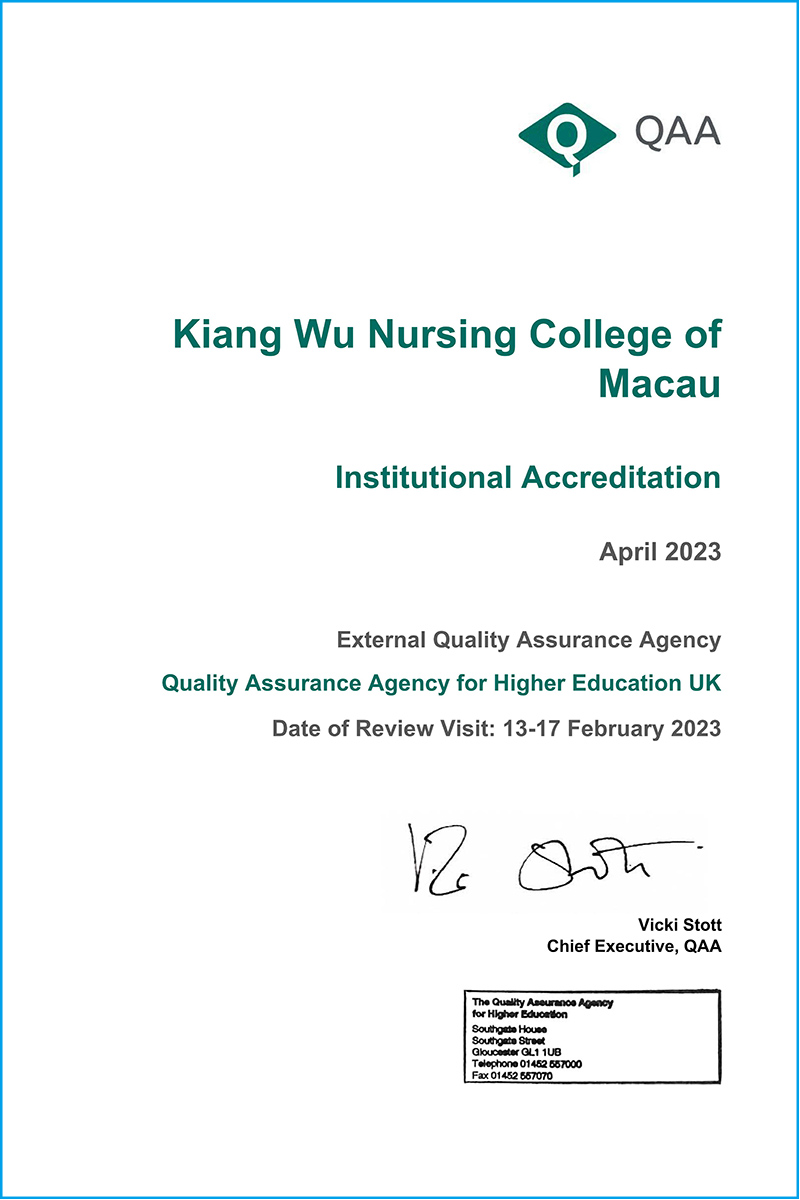
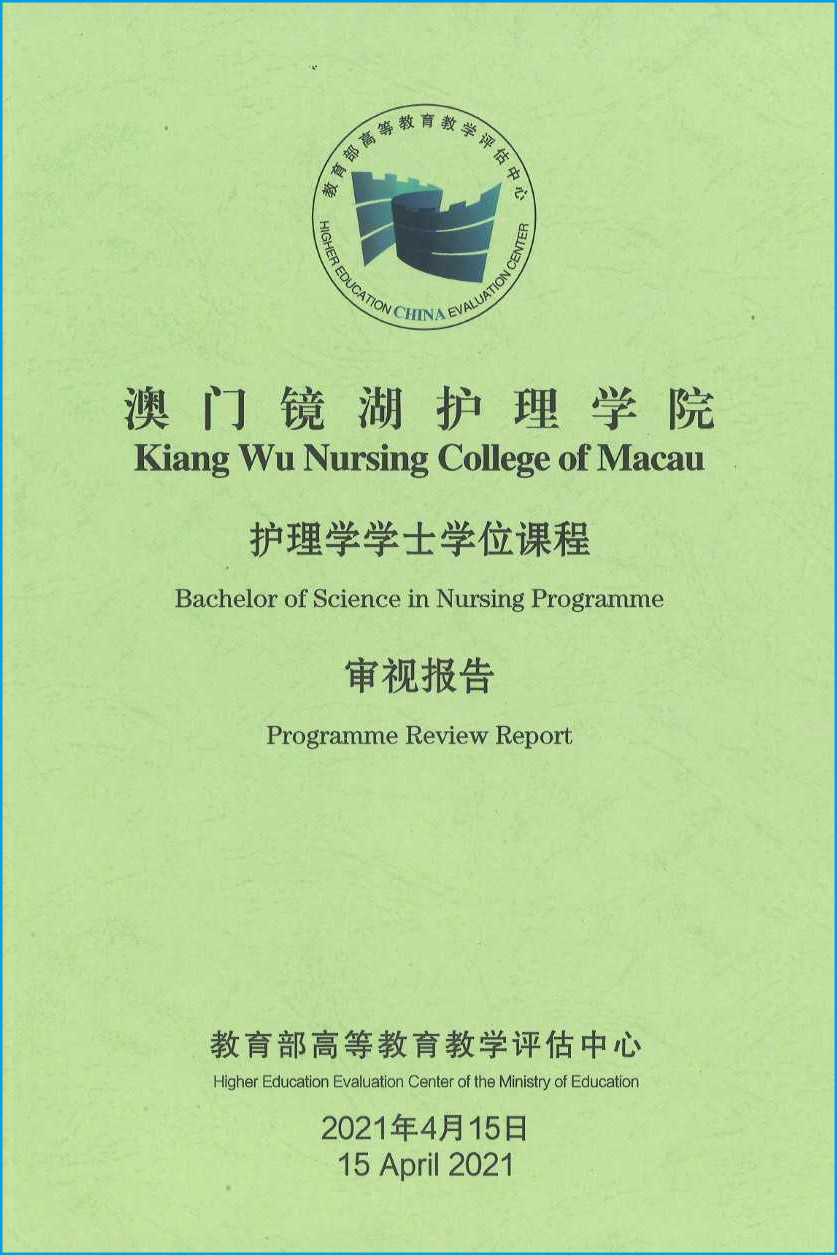
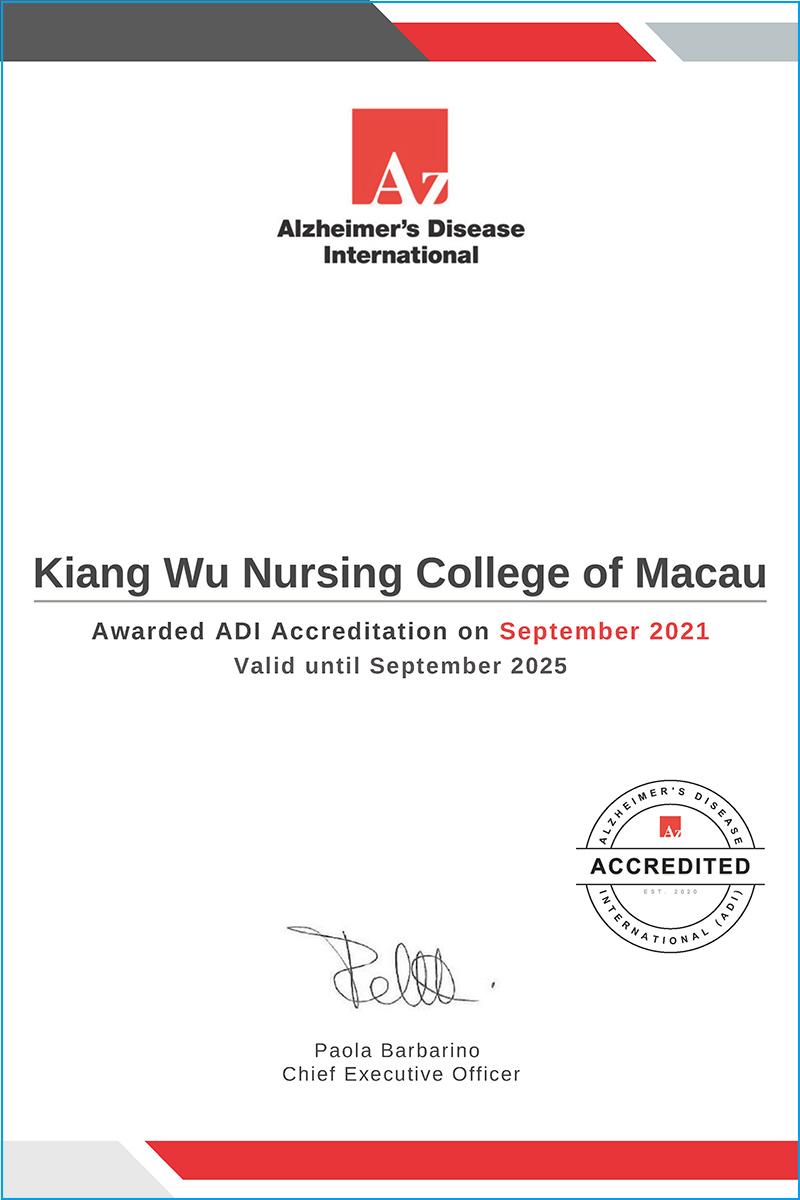
Institutional Accreditation (IA) &Nursing Education Accreditation
 |
 |
 |
| The Quality Assurance Agency for Higher Education (QAA): Institutional Accreditation |
The Motherland's Education Quality Evaluation Agency of the Ministry of Education:
Nursing Education Accreditation |
Course provider of Alzheimer's Disease International (ADI) |
Copyright © 2024 KIANG WU NURSING COLLEGE OF MACAU
